Which Email Flows Convert Home Therapy Shoppers
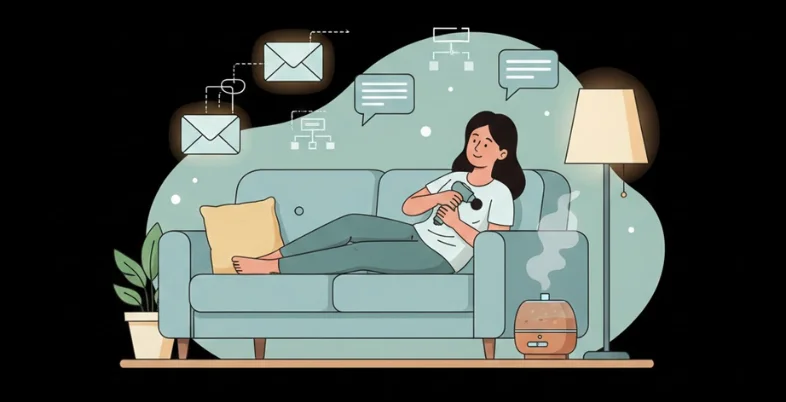
Education is often the first and most important email flow for home therapy shoppers. Many people are unfamiliar with the therapy itself and want basic information before considering a purchase.
An education series typically explains what the therapy is, how it works, and what results users can realistically expect. These emails should focus on clarity rather than persuasion. Overstated claims can undermine trust, especially in health-related categories.
For example, an education flow may include a clear explanation of red light therapy panels, outlining how the technology works, common use cases, and general safety considerations. Providing a neutral, authoritative explainer helps shoppers understand the therapy without feeling pressured.
Education emails work best when they are spaced out and focused on one topic at a time. This allows shoppers to absorb information gradually and reduces overwhelm.
Comparison and Product Selection Emails
Once shoppers understand the therapy, the next challenge is choosing the right device. Many home therapy brands, including MitoRedLight, offer multiple models, which can create confusion.
Comparison email flows help shoppers understand the differences between products. These emails may explain factors such as size, output, coverage area, and intended use. The goal is not to push shoppers toward the most expensive option, but to help them select a product that fits their needs.
Clear comparisons reduce hesitation. When shoppers feel confident that they are choosing the right device, they are more likely to complete a purchase.
These emails are most effective when they avoid technical jargon and focus on practical differences.
Financing and Payment Option Emails

Cost is a major consideration for home therapy shoppers. Even when shoppers believe a product is valuable, they may hesitate because of the upfront expense.
Financing email flows address this concern by explaining available payment options. These emails should clearly outline terms, monthly costs, and eligibility requirements. Transparency is critical.
Financing messages tend to perform best after shoppers have already received education and comparison emails. At that point, financing feels like a solution rather than a sales tactic.
Compliant language is especially important in these emails. Shoppers should be able to understand payment terms without confusion.
Quiz Follow-Up Emails
Some brands use quizzes to help shoppers identify suitable products. The quiz itself is only part of the process. The follow-up emails determine whether the experience feels helpful or automated.
Effective quiz follow-ups explain why a particular product was recommended. They may reference the shopper’s stated goals, experience level, or preferences.
Rather than simply repeating quiz results, these emails provide context. This helps shoppers feel that the recommendation is thoughtful and relevant.
Browse and Cart Recovery Emails
Browse and cart abandonment are common with high-consideration products. Shoppers may leave without purchasing because they need more time or information.
Recovery emails should acknowledge this hesitation. Instead of focusing on urgency, these messages often perform better when they provide reassurance.
Helpful recovery emails may include reminders about safety features, setup requirements, or customer support availability. Some shoppers abandon carts because they are unsure how difficult a device will be to use.
Addressing these concerns directly can encourage shoppers to return.
Setup and Onboarding Emails

The customer experience does not end after purchase. Setup and onboarding emails play a key role in reducing returns and increasing satisfaction.
Onboarding emails may include unboxing instructions, first-use guidance, and safety reminders. These messages help customers use their devices correctly from the start.
Clear onboarding reduces frustration and builds confidence. When customers understand how to use a device, they are more likely to feel that it delivers value.
This stage also reinforces trust in the brand.
Protocol and Usage Reminder Emails
Many home therapies require consistent use over time. Without reminders, customers may forget to use their devices regularly. Life gets busy. Even motivated users can lose track.
Protocol and usage email marketing tools help establish routines. These emails remind customers when to use the device and how often. They may suggest simple schedules that fit into daily life. Morning or evening. A few minutes at a time.
These messages also explain what to expect. Results often take time. Progress can be slow at first. This helps manage expectations and reduce frustration.
The tone should be supportive rather than strict. Missing a session should not feel like a failure. The goal is consistency, not perfection.
When customers stay consistent, they are more likely to see results. That leads to higher satisfaction, better reviews, and long-term trust in the brand.
Cross-Sell and Accessory Emails
Cross-sell emails can be effective when they are relevant and well timed. In home therapy, accessories or complementary skincare products may enhance results.
These emails work best when they explain why an additional product is useful and when it should be introduced. Sending cross-sell emails too early can feel overwhelming.
Positioning accessories as support tools rather than add-ons helps maintain trust.
Timing matters. Most customers want to learn how to use the main device first. If accessories are introduced too soon, it can feel like pressure instead of help. Many shoppers are still figuring out whether the device fits into their routine.
Cross-sell emails should come after the customer has had time to use the product. This could be a few weeks later, once setup is complete and use feels familiar.
The message should stay focused. One product at a time. One clear reason it exists. Avoid bundles that feel confusing or unnecessary.
It also helps to explain how the accessory fits into real use. For example, when it should be added, how often it is used, or what problem it solves.
Some customers will never need accessories. That is fine. Cross-sell emails should feel optional, not required.
When accessories are presented as helpful tools, not upgrades, customers are more likely to trust the recommendation and act on it.
Review Request Emails
Review requests are an important part of the lifecycle but should be handled carefully. Customers need enough time to use the product before being asked for feedback. Asking too early can lead to incomplete reviews or frustration, especially if results take time.
Effective review emails invite honest responses. They do not assume positive outcomes or pressure customers to leave high ratings. Instead, they acknowledge that experiences may vary and that feedback helps other shoppers make informed decisions.
Authentic reviews are especially valuable in home therapy, where shoppers rely heavily on shared experiences. Many buyers want to know what real use looks like over time, not just first impressions. Clear, unbiased reviews help set realistic expectations and strengthen trust in the brand.
Winback Emails
Winback emails target customers who have stopped engaging or using their devices. These messages should not assume dissatisfaction.
Customers may pause usage for many reasons, including schedule changes or travel. Winback emails that offer updated guidance or support resources tend to perform better than discount-focused messages.
Re-engagement often starts with understanding rather than incentives.
Why These Flows Work
Home therapy shoppers want information, reassurance, and time. The most effective email flows respect this process.
Rather than pushing immediate conversions, successful brands focus on clarity and support at each stage. Education builds trust. Comparison reduces uncertainty. Onboarding and reminders reinforce value.
When email flows are structured around the shopper’s needs, conversions follow naturally.
