What Brick-and-Mortar Stores Can Do to Compete With Online Brands
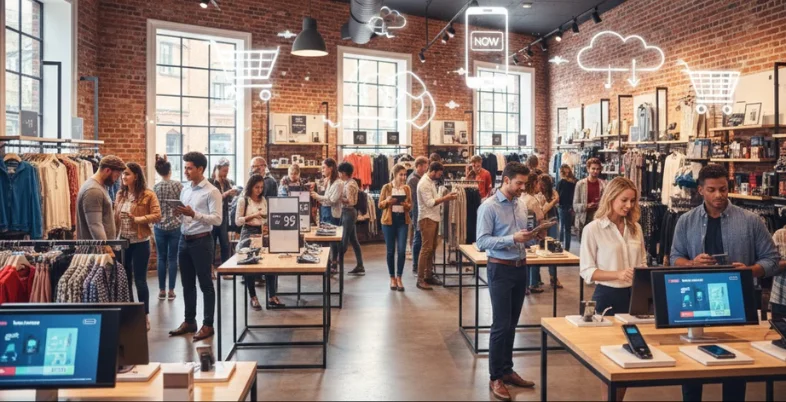
Online shopping keeps climbing every year. Everyone sees it. You can order something while waiting for a ride, or when you should be sleeping. Forecasts put global ecommerce at around 7.4 trillion dollars by 2025, which is almost unreal when you say it out loud.
Even so, most of the world’s shopping still happens inside brick-and-mortar stores. Roughly 80% of retail sales. That number tends to surprise people, probably because the loudest stories are the digital ones. But people still want to see things up close. They want to feel weight, texture, and quality. They want help from someone who knows what they’re talking about.
So the idea that brick-and-mortar stores are dying doesn’t match reality. What’s true is that stores have to tighten up the right things and stop assuming foot traffic will carry them like it used to.
Make the Store Visit Feel Smooth and Worth the Trip
A lot of stores feel cluttered. You walk in and don’t know where to start. That’s an easy way to lose customers who already took the time to get there.
Clear layout helps more than many owners realize. Simple paths. Displays that tell a quick story. Areas that invite browsing instead of rushing. People relax when the environment makes sense without effort.
And then there’s the biggest advantage brick and mortar has. Touch. You can stare at photos online for hours and still hesitate. One quick moment holding something in your hands changes the whole decision process. It’s immediate and grounding. Stores should lean into that. Offer demos when possible. Set up small touchpoints where people can try things. The more sensory the visit, the stronger the memory.
Let Staff Be Humans Instead of Walking Price Tags

Some stores train staff to push scripts. Customers don’t want that. People respond to those who listen and actually understand the products. A short conversation with someone who knows their stuff can beat a hundred online reviews.
When staff can ask simple, honest questions and give grounded suggestions, something shifts. Customers feel looked after. They relax. They ask more. And that small trust moment often brings them back later, even if they don’t buy something right away.
Real guidance creates loyalty. Algorithms can’t offer that.
Give Shoppers Something to Take Home
This is the part that many businesses overlook. Print still works. Really well. There was a Harvard Business Review field study that found printed catalogs increased sales by more than 20% and delivered a six-to-one return on investment. That’s hard to ignore.
A physical catalog sticks around. People leave it on the table or the counter. They browse it again later. It becomes a quiet reminder of the products they liked in the store. No notifications. No pop-ups. Just a steady presence.
For stores, creating and printing catalogs is a chance to curate. Instead of showing everything, highlight the items that define the brand. Seasonal picks. Staff favorites. Bestsellers. Bundles. New arrivals. Small stories behind certain products. A catalog lets you guide attention in a way a website struggles to do.
It also extends the visit. Once customers walk out the door, most stores disappear from their minds. Online brands retarget them instantly with ads. A catalog gives brick and mortar a way to stay visible without nagging anyone.
Place them near the entrance. Keep a stack at checkout. Slip one into the bag when someone makes a purchase. Hand them out at small events. They don’t need to be huge. Even a short, well-designed version does the job.
Be Visible Where Local Shoppers Actually Look
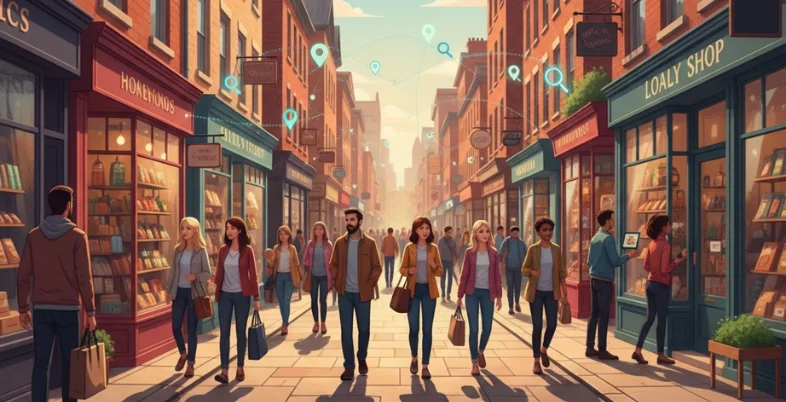
Many small stores skip marketing because they assume everyone nearby already knows them. That assumption rarely holds up.
A few simple habits make a real difference. Keep a solid Google Business Profile. Add fresh photos. Short updates. New stock alerts. It helps with visibility, but it also signals that the store is alive and paying attention.
Local SEO matters too. When someone in the neighborhood searches for a category the store fits, the store should appear. This is where small efforts beat big budgets. With the right SEO services, even small businesses can improve visibility. Online giants target the whole country, while local stores only need to show up within a small radius, which makes the game much more manageable.
Add Some Convenience Back Into the Mix
People don’t only shop online because of price. They also like the simplicity. So physical stores can close the gap by adding a few flexible options.
Click and collect is a big one. People browse online, reserve what they want, and pick it up on their own time. Research shows more and more shoppers follow that pattern. It works especially well for items people want to inspect in person but don’t want to hunt for.
Fast local delivery helps too. Even if it’s next-day or “delivery within a few miles,” it gives customers an option that feels modern yet grounded. The setup doesn’t have to be complicated. A simple process is enough as long as staff can handle it consistently.
Turn the Store Into a Place People Want To Return To
Events don’t have to be giant productions. In fact, the smaller and more natural they feel, the better. A short demo. A tasting session. A meet-the-maker afternoon. Seasonal previews. People remember experiences even when they’re small.
Events create energy. They also create excuses for people to bring friends. And they give stores a chance to collect emails or phone numbers without it feeling transactional.
Stay in Touch Without Flooding Anyone
Once a store has a customer’s contact info, the temptation is to send too much. That’s when people unsubscribe.
Short, useful updates work better. A message when new stock arrives. A quick reminder when a sale is coming. A small highlight of a product people often miss. Consistency matters more than frequency.
Good communication nudges people back at the right time.
Blend the Physical Store With Its Digital Self
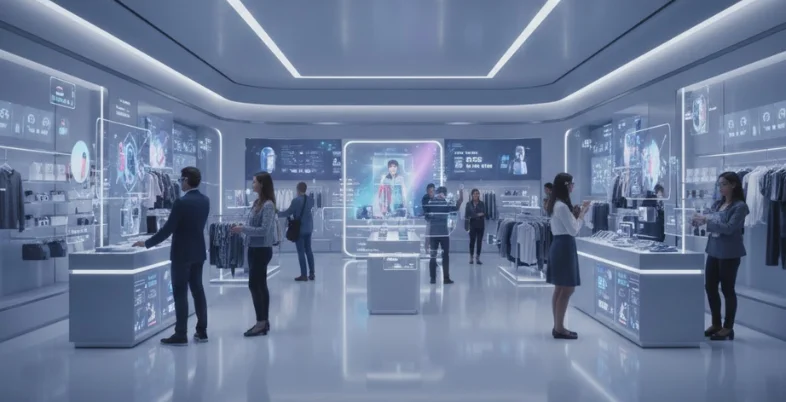
Customers move between screens and physical spaces all day. They expect some level of connection between the two. Not perfection. Just coherence.
If the store lists products online, the basic info should line up with what customers see on the shelf. QR codes should lead somewhere helpful, not to a vague homepage. Visuals and tone should feel familiar whether someone is browsing the website or standing in front of a display.
When the two sides match, everything feels easier. That’s what people want.
Final Words
Online shopping will keep growing. That doesn’t erase physical retail. Not even close. Most people still step into brick-and-mortar stores every week. Nearly half of consumers prefer shopping in person. They want to see things. Hold them. Ask questions. Decide with confidence.
When a store pays attention to the right parts, customers feel it. They come back. They tell others. The store becomes part of their routine instead of just another option.
That’s how brick-and-mortar stays strong in an online-heavy world—by doing what only physical places can do and doing it with more care than before.
