Top 10 Most Expensive Coffee in the World (2026)
Coffee is among the most popular beverages on earth. Billions of people drink a cup of warm coffee every morning in order to begin their day. But did you know that there are coffees pricier than gold per pound? Yes, the coffee in the world can cost hundreds or even thousands of dollars for just a small bag. Why is coffee so costly? It may be the unusual site where it is cultivated. It might be quite a unique process. Or, it is just that only a small portion is manufactured annually. Either way, these coffees are regarded as luxuries — much like a good wine or a fine chocolate.
The global coffee market is expected to be around USD 263.5 billion in 2026, driven by rising consumption and the expanding coffee culture worldwide. Within this broader market, the coffee beverages segment — including espresso‑based drinks, instant coffee, RTD, and specialty café offerings — is valued at about USD 185.8 billion in 2026. The market is forecast to grow steadily, reaching USD 380.28 billion by 2033 at a CAGR of ~5.4%, with the beverages segment expected to hit USD 266.7 billion at ~5.3% CAGR.
In this article, we will look at the most expensive coffee in the world in 2026. We will also tell you what is special about each of them, how much they cost, and where you can purchase them. T
Which is the Most Expensive Coffee in the World?
The title of the most expensive coffee in the world goes to Black Ivory Coffee, which is made in Thailand and can cost up to $1,800 per pound. It is prepared using Arabica beans which are consumed and digested by elephants. The bitterness of the beans is digested making it an extremely smooth and unique flavor. Close behind this is Kopi Luwak of Indonesia, made of beans that have been eaten via a civet cat. These two animal-based coffees are the most discussed and priciest coffees on earth.
Other very expensive Coffée Name are Panama Geisha, which has been auctioned at record prices all over the world, and Saint Helena Coffee, produced on a remote island in the South Atlantic Ocean. Simply put, the most expensive coffee in the world combines rarity, unique processing, and exceptional taste — making it a luxury that very few people get to enjoy.
Want to open your own cafe? Check trending Café Name Ideas
Top 10 Most Expensive Coffees in the World (2026)
1. Black Ivory Coffee
- Origin: Thailand
- Price: $500–$1,800/lb
- Type: Arabica
Black Ivory Coffee is widely considered the most expensive coffee in the world right now. It is prepared using Thai Arabica beans which are fed to elephants. The proteins that make the beans bitter are digested as the beans go through the stomach of the elephant by naturally occurring enzymes. The end product is an extraordinarily smooth coffee with chocolate, tamarind, and the tincture of spice. This coffee is very rare, with a production of only approximately 150 kg per annum. Blake Dinkin invented it in 2012, and it is being sold primarily to luxury hotels in Asia and the Middle East. If you want to taste the most expensive coffee in the world, this is the one to try.
Market: Ultra-exclusive; primarily sold to five-star hotels, luxury resorts in Asia and the Middle East, and a few online luxury retailers.
Where to Buy: On sale at blackivorycoffee.com and a few upscale hotel gift shops in Thailand and the Maldives.
2. Kopi Luwak
- Origin: Indonesia
- Price: $100–$600/lb
- Type: Arabica
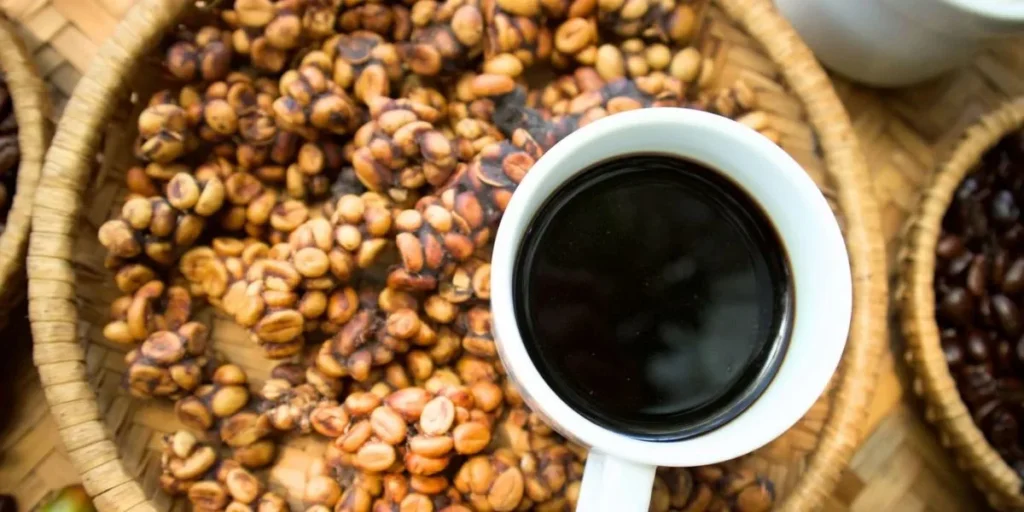
Kopi Luwak is the most renowned as well as costly coffee in the world. It is prepared using coffee beans that are consumed and absorbed in the digestive system of Asian palm civets – small cat-like creatures that can be found in Indonesia. The civets stomach enzymes transform the beans flavor, resulting in a smooth, acid-free coffee with a taste of chocolate and earth. The most expensive/ethical form is wild-sourced Kopi Luwak, and the cheaper but animal welfare-questionable forms are farmed. It has appeared in movies, the news and food programs worldwide, and is a luxury item that is well known globally.
Market: Specialty coffee shops worldwide; wild-sourced beans are limited and command premium prices.
Where to Buy: Found through specialty importers such as Hayman Coffee and Amazon when farmed (see above); on certified specialty retailers when wild (see above).
3. Hacienda La Esmeralda Geisha (Panama)
- Origin: Panama
- Price: $300–$800/lb (auction lots can go over $10,000/kg)
- Type: Arabica
Geisha Hacienda La Esmeralda Geisha is among the most acclaimed coffees of all time and it is also often ranked as one of the most expensive coffees in the world. Grown in the Boquete region of Panama, this coffee has won the Best of Panama competition a few times, and has frequently set its own price records at auction. The taste is remarkable, with jasmine, bergamot, tropical fruit, peach and a fresh tea taste finish. It is delicate, intricate and not like any other coffee you will ever drink. The farm is quite meticulous when it comes to growing and processing each batch. Very few numbers are released every year and every bag is a collectors item in itself, not a purchase.
Market: Sold mainly through Best of Panama auctions; small retail quantities are available globally through specialty roasters.
Where to Buy: Purchase at the annual Best of Panama auction or at Klatch Coffee and Hayman Coffee roasters, both online.
4. Saint Helena Coffee
- Origin: Saint Helena Island (South Atlantic)
- Price: $80–$150/lb
- Type: Arabica
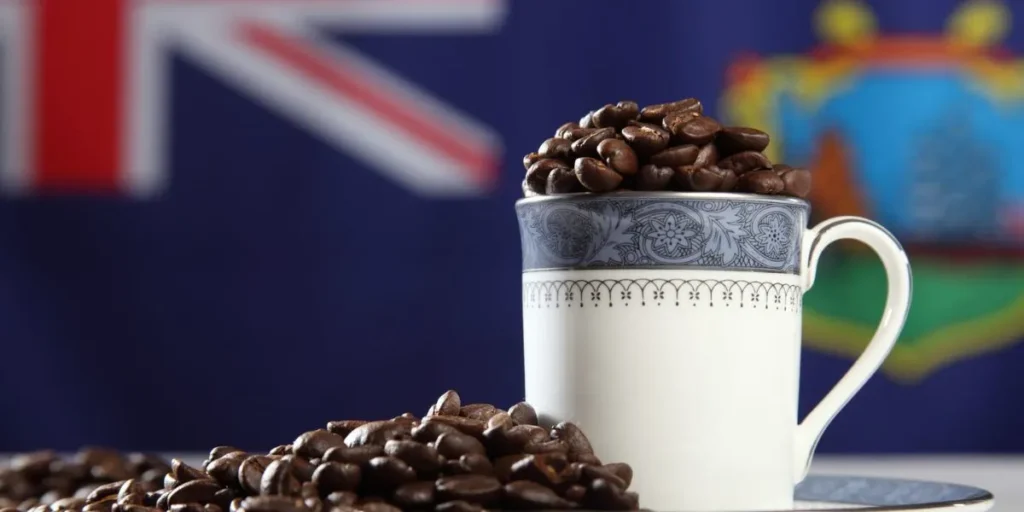
Saint Helena is a small isolated island in the South Atlantic Ocean – the same island to which Napoleon Bonaparte was exiled until his demise. It is one of the oldest coffee growing regions in the world, having been cultivated there since the 1700s. Due to the isolation and the small size of the island, very little coffee can be cultivated and exported annually. The coffee is described to have a smooth, balanced taste and include caramel, citrus and slight nuttiness. There are no chemicals or pesticides and it is naturally organic. Its history, isolation and limited production alone make Saint Helena Coffee one of the most priced coffees in the world each and every year.
Market: Niche collectors and specialty importers; extremely limited export due to isolation.
Where to Buy: Can be found on sainthelena.sh (the official site of the island) and a few specialty coffee importers in the UK and US.
5. Finca El Injerto (Guatemala)
- Origin: Guatemala
- Price: $500/lb at auction; $50–$100/lb retail
- Type: Arabica
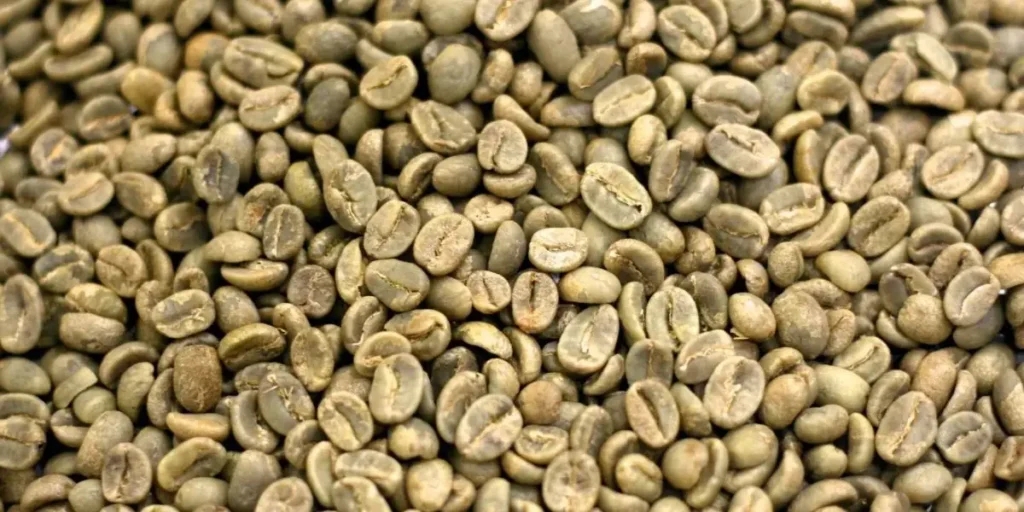
Finca El Injerto is a mythical coffee farm in the Huerenango area of Guatemala, which lies between 5,000 and 6,500 feet above sea level. International coffee competitions have been won by this farm more than any other farm in the world. Their micro-lot Peaberry coffee recently fetched more than $500 per pound at auction, and now ranks among the priciest coffees in the world. It has a clean, bright and complex taste consisting of tropical fruit, dark chocolate, and sweet caramel notes. They have a sustainable approach to farming and their workers receive good wages, which makes the farm a favorite among both flavor hunters and ethical coffee consumers.
Market: Auction-based sales worldwide; retail versions available online through specialty roasters.
Where to Buy: Volcanica Coffee are one of the few roasters who package the cup of excellence directly, or alternatively, you can buy it directly at the Cup of Excellence auction house.
6. Molokai Coffee (Hawaii)

- Origin: Hawaii (USA)
- Price: $60–$120/lb
- Type: Arabica
Molokai Coffee is cultivated on the little Hawaiian island of Molokai – one of the remotest and the least visited in the state. This is usually overshadowed by Kona Coffee, yet it is believed that Molokai coffee is just as good or even better. Beans grown in the volcanic soil, and tropical climate, have a rich, full body and the taste of dark chocolate, roasted nuts and a mild earthy taste. The island yields very little coffee annually, this keeps the product exclusive and the prices high. It is among the few regions in the US where specialty grade coffee is cultivated and that, all by itself, makes it one of the most costly coffees produced in an American source.
Market: Small domestic US market; also sold to Hawaiian coffee enthusiasts abroad.
Where to Buy: Sold at Coffees of Hawaii (coffeesofhawaii.com) and at a few specialty shops in Hawaii.
7. Yemen Mocha (Al-Mokha)
- Origin: Yemen
- Price: $30–$80/lb
- Type: Arabica
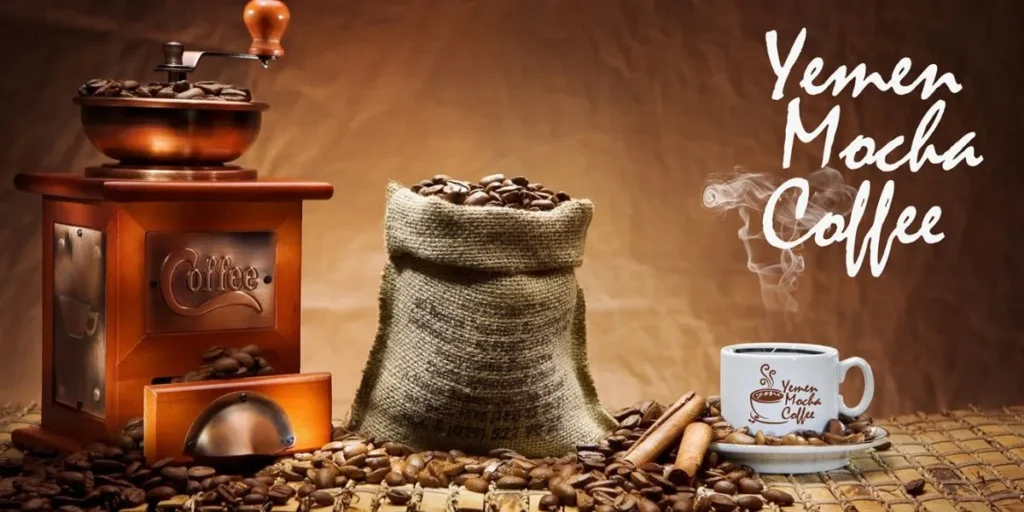
One of the most ancient and old-fashioned coffees in the world is Yemen Mocha. Hundreds of years ago coffee trading started in the port city of Al-Mokha (Mocha) in Yemen where the world started to be in love with coffee. The coffee is cultivated on traditional terraced farms in the Yemeni highland where the farming methods have remained the same for centuries. It is a very intense, deep-flavored chocolate, with the acidity of wine, dried fruit, and spice. Due to current political turmoil in Yemen, coffee production has been extremely challenging making authentic Yemen Mocha difficult to find and expensive. It actually deserves its reputation as one of the most expensive coffees in the world by mere heritage.
Market: Extremely limited; imported by specialty coffee shops dealing directly with Yemeni farmers.
Where to Buy: Mokha 1450 (mokha1450.com) and luxury brand luxury importers such as Port of Mokha stock it.
8. Jamaican Blue Mountain Coffee
- Origin: Jamaica
- Price: $50–$100/lb
- Type: Arabica
The Jamaican Blue Mountain Coffee is cultivated in the wet Blue Mountains, Jamaica at 3,000 to 5,500 feet above sea level. The climate and the fertile volcanic soil in the area make the coffee cherries grow more slowly, thus letting the complex flavors mature. The outcome is one of the smoothest, mildest and most balanced coffees in the world with no bitterness, slight nutty and chocolatey flavors and a clear and bright finish. It is partly why it is so rare and expensive outside Asia because Japan purchases almost 80 percent of the total annual production. It has received a Grand Gold Quality Award by Monde Selection that ensures its world-class position as one of the most costly coffees in the world.
Market: Japan consumes ~80% of production; limited supply in US and Europe, making it a high-priced global specialty.
Where to Buy: Sold by Volcanica Coffee, Coffee Traders on Amazon and certified Blue Mountain retailers everywhere.
9. Kona Coffee (Extra Fancy Grade)
- Origin: Hawaii (USA)
- Price: $40–$80/lb
- Type: Arabica
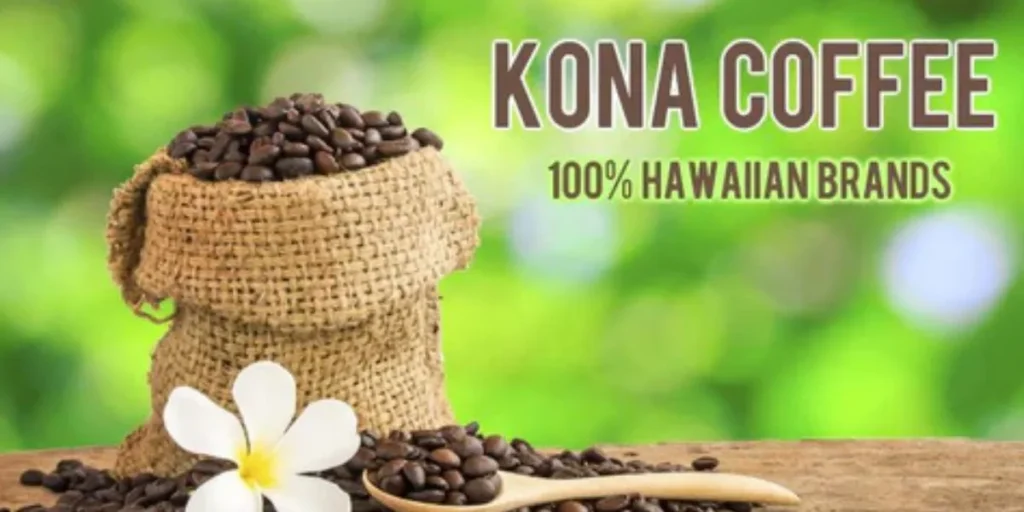
Kona Coffee is cultivated in Hawaii in the Hualalai and Mauna Loa volcanic slopes of the Big Island. The highest quality type of Kona coffee is known as the Extra Fancy grade and only the largest and most perfect coffee beans are used to come up with this type of Kona coffee. One of the most expensive coffees produced in the United States is genuine 100 percent Kona Extra Fancy. It features a medium, liquid body and is warm and sweet with milk chocolate, caramel and toasted almonds. Shop wisely – most products that are marketed as Kona Blend only have 10 percent of the Kona beans. The label should always contain 100% Kona, and when it does then you can be sure that what you are getting is the real deal. Its world quality was validated with the assistance of awards by Hula Daddy and Uluwehi farms in 2024.
Market: Primarily US market with growing international interest; beware of blended products.
Where to Buy: On sale at Koa Coffee (koacoffee.com), Volcanica and Greenwell Farms with 100% Kona certification labeling.
10. Ethiopian Yirgacheffe (Award-Winning Micro-Lots)
- Origin: Ethiopia
- Price: $20–$60/lb (micro-lots can go higher)
- Type: Arabica
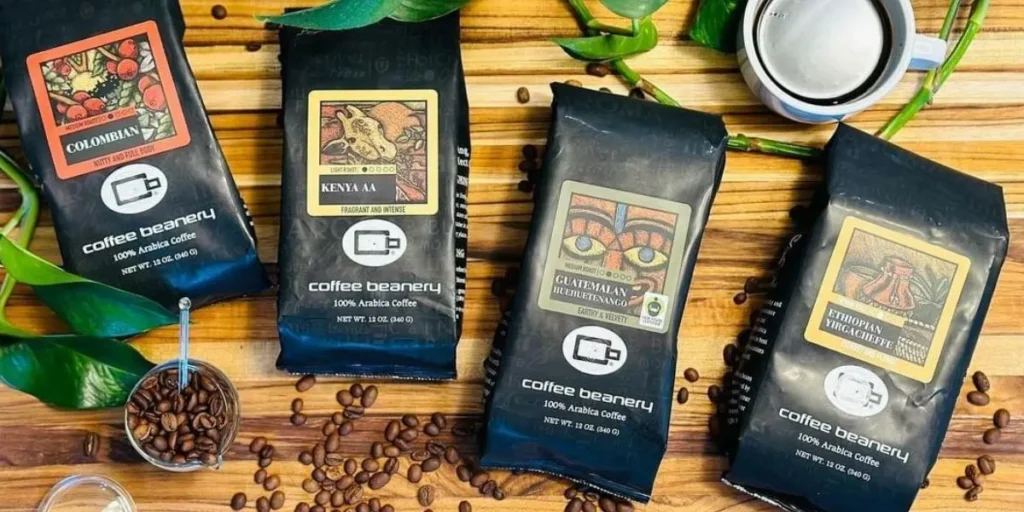
The Yirgacheffe is the native of Ethiopia and the home of coffee as such and is considered to produce some of the most sophisticated and exquisite coffees in the world. Regular Yirgacheffe is rather cheap, but the award-winning micro-lot varieties such as those with 93 and above scores in Coffee Review or Cup of Excellence can be some of the most expensive Ethiopian coffees in the world. These infrequent lots include a spectacular outburst of jasmine, bergamot, lemon zest and sweet stone fruit. They are cooked in the natural method, traditionally, beans are left to dry in the fruit taking in all the sweet flavors. These micro lots are manufactured by small quantities of individual small holder farmers and each bag is a very rare and good experience to any coffee lover.
Market: Sold through specialty roasters worldwide; auctioned micro-lots fetch premium prices.
Where to Buy: Sold by specialty roasters such as Stumptown, Intelligentsia and Ethiopian origin importers (harvest time).
5 Most Expensive Coffees in the World
| Rank | Coffee | Country | Price Per Pound |
| 1 | Black Ivory Coffee | Thailand | $500–$1,800 |
| 2 | Kopi Luwak (Wild) | Indonesia | $200–$600 |
| 3 | Hacienda La Esmeralda Geisha | Panama | $300–$800+ |
| 4 | Saint Helena Coffee | Saint Helena | $80–$150 |
| 5 | Finca El Injerto (Auction) | Guatemala | Up to $500+ |
Most Expensive Coffee in the World Per Pound
Here is a simple price breakdown to help you understand what you pay for when buying the most expensive coffee in the world:
| Coffee | Price Per Pound |
| Black Ivory Coffee | $500–$1,800 |
| Kopi Luwak (Wild-Sourced) | $200–$600 |
| Panama Geisha (Auction) | $300–$10,000+ |
| Saint Helena Coffee | $80–$150 |
| Jamaican Blue Mountain | $50–$100 |
| Kona Coffee (Extra Fancy) | $40–$80 |
| Yemen Mocha | $30–$80 |
| Finca El Injerto (Retail) | $50–$100 |
| Tanzanian Peaberry | $20–$35 |
| Ethiopian Yirgacheffe (Micro-Lot) | $20–$60 |
How Much is 1 Cup of Kopi Luwak?
Application Kopi Luwak is one of the most notorious of all the most costly coffees around the globe. However, what is the actual cost of a cup?
- In one of the cafes or hotels: A cup of Kopi Luwak usually sells between 35 and 100 dollars in a cup of luxury hotels and select cafes in Asia, Europe, and the US.
- When you brew yourself: At $100- $600 per pound, and with a pound yielding about 40-50 cups, you are paying between 2-15/cup when you purchase the cheaper farmed version, and between 10-50/cup when you purchase the wild- sourced version.
- The priciest serving ever: Bali and Singapore have seen some of the high-end hotels sell high on the premium Kopi Luwak experience at a hefty price of up to $150 per cup of the premium Kopi Luwak, complete ceremony and service included.
Home brewed cup of Kopi Luwak, therefore, is pricier, but not as pricier as to crack the bank, unless you insist on the wild, ethically sourced cup of Kopi Luwak.
Why is Coffee So Expensive?
The most expensive coffee in the world does not get its price tag by accident. Here are the main reasons:
- Very Low Production Volume: Coffees such as Black Ivory or Saint Helena have very small supply and a very high demand due to production of few hundred kilograms annually.
- Distinct and challenging Processing Techniques: Animal-caused coffees such as Kopi Luwak and Black Ivory are fed, gathered, and cleaned in unimaginably massive manners that consume massive amounts of time and labor.
- The Growing Conditions of High altitude: Coffee cultivated at very high altitudes (5,0006,500 feet) has more complex flavors but it grows much slower, which means that the farmers will have to wait longer before harvesting.
- Recognition and Branding: Coffee that has won any competition such as Cup of Excellence is instantly recognized internationally and when it is auctioned, people bid fiercely thus pushing the prices very high.
- Long Importation and Supply chains: Remote source of Saint Helena or war-torn areas such as Yemen involve immeasurable expenses of transporting and insuring the goods as well as regulations compliance before the coffee actually gets to you.
Ethical Concerns Around Expensive Coffee
Luxury coffee is not all fairly produced. Here are some serious ethical concerns connected to the most expensive coffee in the world:
- Animal Welfare in Kopi Luwak Farming: The majority of Kopi Luwak is reared by holding civets in small dirty cages -neither near nor in their natural habitat -which is strongly criticized by animal rights groups.
- Elephant Welfare in Black Ivory Coffee: This, as much as Black Ivory Coffee tries to claim that it treats its elephants well, critics put forward the idea that the use of animals in food production always raises questions of welfare and needs close monitoring.
- Fair Pay for Farmers: The world is full of rare coffee varieties that are grown in the third world where the farmers receive very minimal pay despite the coffee selling at hundreds of dollars per pound.
- Environmental Impact: Unsustainable high-end coffee farming may cause deforestation, water pollution, and the destruction of the biodiversity of fragile ecosystems such as the Ethiopian highlands or the cloud forests in Guatemala.
- Fraudulent Labelling: There are numerous products that claim to be genuine Kopi Luwak or 100% Kona when they are actually lying to customers and hurting quality and ethical producers.
Can Muslims Drink Luwak Coffee?
This is a question that is commonly asked, particularly because Kopi Luwak is commonly ranked as one of the most expensive coffees in the world and the country where this coffee is primarily produced, Indonesia, is largely a Muslim nation.
- There is a Gift of Scholarship: It is a controversial matter among Islamic thinkers; some of them believe that it is halal (legal) and some believe that it is not since the beans are transported through the digestive system of an animal.
- Majelis Ulama Indonesia (MUI) Ruling: Indonesia In a decision issued in 2010, by the top Islamic authority of Indonesia, the MUI, it was declared that Kopi Luwak is halaal provided that the beans are carefully washed prior to processing and roasting.
- The Cleaning Process is Important: In case the beans are correctly cleansed and sanitized (and then they contain no trace of the digestive system of the civet) the majority of scholars state that it can be considered permissible.
- Wild vs. Farmed Civets: Some researchers claim that coffee gathered out of the wild civets (who feed freely in nature) has a higher chance of being legal than coffee harvested out of caged civets who may be living in unsanitary circumstances.
- Personal Choice and Caution: The problem is not fully resolved yet; therefore, many Muslim customers prefer not to buy Kopi Luwak because of caution; particularly when they cannot know the origin and methods of cleaning the product.
Most Expensive Coffee vs Regular Coffee
| Feature | Most Expensive Coffee | Regular Coffee |
| Price Per Pound | $50–$1,800+ | $5–$15 |
| Bean Grade | Specialty Grade (90+ score) | Commercial Grade |
| Flavor Complexity | Extremely complex, layered | Simple, straightforward |
| Production Volume | Very limited (few hundred kg/year) | Millions of tons per year |
| Processing Method | Special/unique (animal, hand-sorted) | Standard washing or drying |
| Growing Altitude | 4,000–6,500 feet (high altitude) | Sea level to 3,000 feet |
| Caffeine Level | Usually moderate (Arabica) | Can be high (Robusta blends) |
| Availability | Rare, specialty stores or online | Everywhere (supermarkets) |
| Best For | Special occasions, collectors | Daily drinking |
| Certifications | Often award-winning, Q-graded | Usually none |
Future of the Luxury Coffee Industry
The market for the most expensive coffee in the world is growing rapidly. The following is what one can anticipate during the next several years:
- Increasing Auction prices: With the increasing demand of specialty and rare coffees in the world market, there will be an annual rise in records of auction price of the highest quality lots such as Panama Geisha and Ethiopian micro-lots.
- Sustainability A New Topic: In the year 2026 and beyond, buyers will be demanding coffee that is ethically sourced and environmentally sustainable, i.e. farms that can satisfy these criteria will be even more expensive.
- Increasing the number of Countries in the Luxury Market: New producers such as Yunnan province of China, Araku Valley of India and even other parts of Asia and Oceania are coming up with specialty graded coffees that are likely to appear on the list of the most expensive coffees in the world shortly.
- Coffee Farming Technology: Luxury coffee farms are accepting technology in the areas of precision agriculture devices, artificial intelligence to regulate quality, and blockchain to validate ownership to buyers.
- Asian Consumer Market: Asian nations such as China, South Korea and Japan are evolving into a steady culture of consuming specialty coffee, which will only lead to an increase in demand- and thus prices of- the richest coffees in the coming years.
Conclusion
The world of the most expensive coffee in the world is truly fascinating. Elephant-processed beans in Thailand, Volcanic Island coffee growing on the island exile of Napoleon – all cups have a fantastic history. These are not just drinks. They are experiences, traditions and historical fragments. If you feel like spending $1,800 a pound on Black Ivory Coffee or just grab a respectable Ethiopian Yirgacheffe micro-lot for between 30 and 60 dollars, the world of specialty coffee has a price that can satisfy any budget and level of inquiry.
The expensive coffee in the world teaches us to slow down, appreciate quality, and think about where our food and drink come from. So, should you ever have an opportunity of trying even one of these unusual coffees, avail yourself. It is something you will not forget in the near future.
Also Read: How to Start a Cafe in India
FAQs
What is the most expensive coffee in the world in 2026?
Black Ivory Coffee from Thailand is currently the most expensive coffee in the world, costing up to $1,800 per pound, followed closely by wild-sourced Kopi Luwak and auction-grade Panama Geisha.
What is so expensive about Kopi Luwak?
Kopi Luwak is costly due to the fact that the process of production is extremely slow and unusual- beans should be extracted in the form of civet droppings, thoroughly washed and processed in small amounts which makes it impossible to produce on large scale.
Is the most expensive coffee in the world worth it?
Yes, to coffee lovers and collectors, it is a once-in-a-lifetime experience, due to the richness of flavour and the rarity. To the ordinary drinker, good specialty coffee with a cost of $20-40 per pound provides almost the same pleasure at a fraction of the cost.
Where can I buy the most expensive coffee in the world?
The majority of luxury coffees are available online at the stores of specialty retailers such as Hayman Coffee, Volcanica Coffee, or even at the websites of the manufacturers of the product. There are certain auction-grade lots that can only be found on such platforms as Cup of Excellence.
Is coffee of animal origin ethical?
It depends on the source. Black Ivory Coffee made using wild Kopi Luwak and managed elephant reserves are more ethical. Nonetheless, the majority of commercially farmed ones are associated with low animal welfare practices and are to be avoided.
